

 Munich Security Conference
  China's Population Decline and Robots
  Israel disregards the law.
  The US Department of Homeland Security has begun a partial shutdown.
  Violent Anti-Government Protests in Tirana
  China Showcases AI-Driven Healthcare Innovations at World Health Expo Dubai
  US Military Strikes Suspected Drug Boat in Pacific, Two Killed
  North Korea’s Kim Jong Un Says Military’s Fighting Front Will Expand
  Ambulance Helicopter Crashes at Military Base in Libya
  Two Residential Buildings Collapse in Lebanon’s Tripoli, At Least Six Dead
Turkey Defence Technology
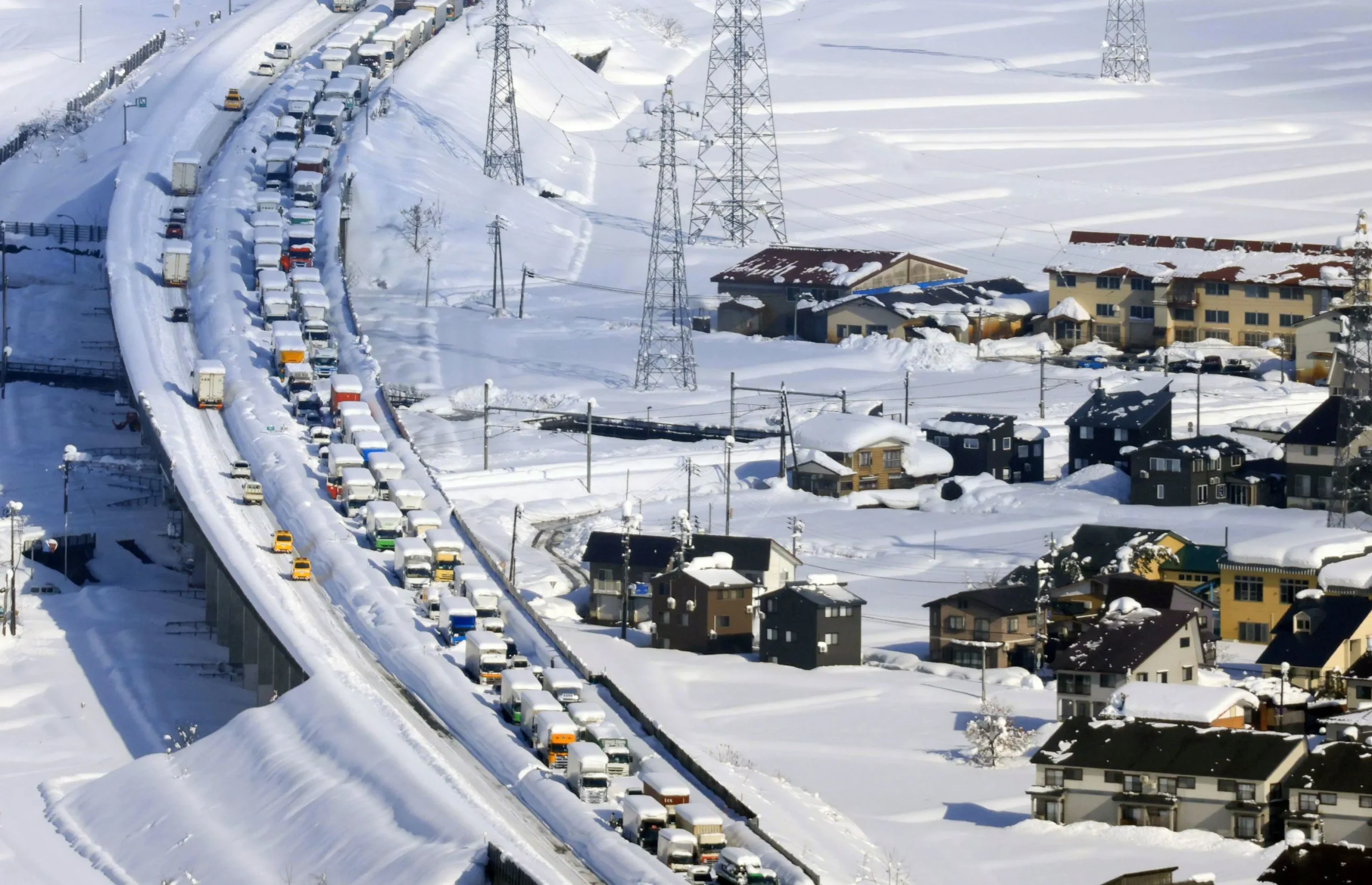
Japan Snowstorm Death Toll Climbs to 46 as Prolonged Winter Storm Batters Northern Regions
Tokyo — The death toll from a prolonged and unusually severe snowstorm affecting large parts of Japan has risen to 46, according to official figures released by the authorities, as heavy snowfall and freezing temperatures continue to grip the country.
Japan’s Fire and Disaster Management Agency (FDMA) confirmed that the majority of fatalities were reported in northern prefectures and coastal regions facing the Sea of Japan, where snowfall has persisted for weeks and reached life-threatening levels.
Record Snowfall Across Multiple Prefectures
The ongoing storm system, driven by powerful cold air masses moving south from Siberia, has produced record snowfall in several prefectures since late January. In mountainous and coastal areas, snow depth has exceeded two metres, overwhelming infrastructure and emergency services.
Local authorities said that prolonged snowfall, combined with sub-zero temperatures, has significantly increased the risk of accidents, structural damage and transport disruptions.
Causes of Death and Injury
Officials stated that many of the deaths were caused by snow-related accidents rather than hypothermia. These included falls from rooftops during snow removal, vehicles skidding on icy roads, and people becoming trapped under collapsing snowbanks.
More than 300 people have been reported injured nationwide, with hospitals in affected regions operating under increased pressure.
Most Affected Regions
Niigata Prefecture reported the highest number of fatalities, followed by Akita, Yamagata and Toyama. Coastal areas have been particularly vulnerable, as strong winds combined with heavy snowfall reduced visibility and complicated rescue operations.
Municipal authorities warned that the death toll could rise further as snow clearance efforts continue and access to remote communities improves.
Transport and Infrastructure Disruption
Heavy snowfall has caused widespread disruption to Japan’s transport networks. Dozens of domestic flights were cancelled, while high-speed rail services experienced delays and temporary suspensions across northern routes.
Major highways were closed in several prefectures due to snow accumulation and ice, leaving some communities isolated for hours. Power outages were also reported, affecting thousands of households.
Emergency Measures and Government Response
Japan’s Self-Defence Forces, along with firefighters and local volunteers, have been deployed to assist in rescue operations and snow clearance. Temporary shelters were opened in some municipalities to support residents unable to return home.
The central government issued repeated safety warnings, urging residents—particularly elderly citizens—to avoid unnecessary outdoor activities and to seek assistance when clearing snow.
Meteorological Warnings Continue
The Japan Meteorological Agency warned that heavy snowfall is expected to continue in coastal and mountainous areas, with fresh accumulations forecast over the coming days.
Meteorologists advised that rapidly changing weather conditions could increase the risk of avalanches, roof collapses and traffic accidents.
Winter Weather in Context
While heavy snowfall is not uncommon during Japanese winters, experts noted that this event stands out due to its duration, geographical reach and cumulative impact.
Climatologists cautioned against drawing immediate conclusions but acknowledged that shifting atmospheric patterns may contribute to more frequent and intense winter weather events in the region.
Public Safety Advisory
Authorities continue to urge residents to remain vigilant, follow official guidance and prioritise safety as winter conditions persist. Emergency services stressed the importance of community cooperation and early reporting of dangerous situations.
Officials said response efforts would remain in place until weather conditions stabilise and all affected areas are deemed safe.
Questions and Answers: Japan’s Severe Snowstorm
Why has this snowstorm been so deadly?
Authorities say the majority of deaths were caused by indirect factors rather than extreme cold itself. Many victims died while clearing snow from rooftops, slipping on icy roads, or being trapped by collapsing snowbanks. Elderly residents were particularly vulnerable.
Which regions have been most affected?
Northern prefectures such as Niigata, Akita, Yamagata and Toyama have reported the highest number of fatalities. Coastal areas along the Sea of Japan have experienced the heaviest snowfall due to cold air masses moving in from the continent.
How unusual is this level of snowfall for Japan?
Heavy snow is common during Japanese winters, especially in northern and coastal regions. However, meteorologists say this event is notable for its long duration, wide geographical spread and cumulative snow depth, which has exceeded two metres in some locations.
Is climate change being blamed for the storm?
Experts caution against attributing the storm to a single cause. While climate change can influence weather patterns, officials say more data is needed before drawing firm conclusions. Scientists note that extreme weather events may become more frequent due to shifting atmospheric conditions.
How has transport been affected?
The snowstorm has disrupted flights, rail services and road networks across northern Japan. Several highways were closed, domestic flights were cancelled, and train services faced delays or suspensions, leaving some communities temporarily isolated.
What safety advice are authorities giving?
Officials are urging residents to avoid unnecessary travel, seek help when clearing snow, and stay indoors during periods of heavy snowfall. Elderly citizens are advised not to attempt roof clearing without assistance.
Will conditions improve soon?
The Japan Meteorological Agency has warned that heavy snowfall is likely to continue in coastal and mountainous areas in the short term. Authorities say emergency response measures will remain in place until weather conditions stabilise.