
 Munich Security Conference
  China's Population Decline and Robots
  Israel disregards the law.
  The US Department of Homeland Security has begun a partial shutdown.
  Violent Anti-Government Protests in Tirana
  China Showcases AI-Driven Healthcare Innovations at World Health Expo Dubai
  US Military Strikes Suspected Drug Boat in Pacific, Two Killed
  North Korea’s Kim Jong Un Says Military’s Fighting Front Will Expand
  Ambulance Helicopter Crashes at Military Base in Libya
  Two Residential Buildings Collapse in Lebanon’s Tripoli, At Least Six Dead
Europe’s Economic Independence and the United States Under Trump
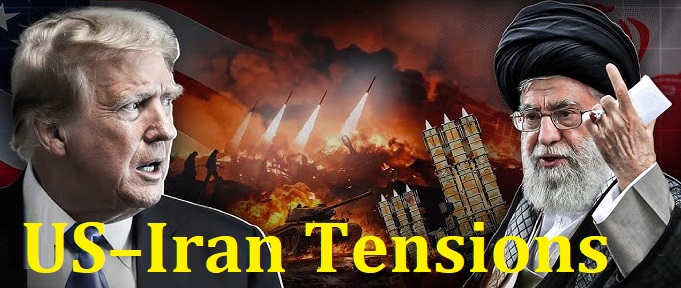
US–Iran Talks in Oman: A New Diplomatic Attempt on the Nuclear File
The United States and Iran have reopened indirect diplomatic talks in Oman, signaling a cautious effort to keep dialogue alive amid rising regional tensions. While expectations remain limited, the meetings underline that diplomacy has not been completely abandoned.
Why Oman Matters
The talks were held in Muscat under Omani mediation, with US and Iranian delegations communicating indirectly rather than face to face. Oman has long served as a discreet diplomatic channel between Washington and Tehran during periods of heightened confrontation.
According to diplomatic sources, the latest contacts are viewed as a confidence-management step rather than a breakthrough initiative. No binding commitments or timelines have been announced.
Iran’s Position: Nuclear Talks Only
Tehran has made clear that discussions must remain strictly limited to the nuclear issue. Iranian officials reject expanding the agenda to include ballistic missiles, regional alliances or domestic political matters.
Iran maintains that uranium enrichment is a sovereign right and has shown no willingness to halt the program entirely, a stance consistent with its long-held negotiating position.
The US Approach: Broader Security Concerns
Washington continues to argue that Iran’s nuclear activities cannot be separated from wider regional security issues. US officials have repeatedly stressed that Iran’s missile capabilities and regional influence remain central concerns.
At the same time, the US has kept pressure tools in place, signaling that diplomacy is being pursued alongside deterrence rather than as a standalone strategy.
No Deal, But No Collapse
The Oman talks concluded without a formal agreement or joint statement. Both sides are expected to consult internally before deciding whether further rounds will follow.
Analysts say the absence of immediate results does not necessarily indicate failure. Maintaining open communication channels is widely seen as a way to reduce the risk of miscalculation or escalation.
Regional and Global Implications
The talks come amid broader instability in the Middle East, ongoing conflicts, and uncertainty in global energy markets. Any shift in US–Iran relations has the potential to affect Gulf security, oil prices and international diplomacy.
BBC analysis notes that even limited diplomatic engagement between Washington and Tehran carries significance well beyond the two countries involved.
BBC News Analysis
According to BBC News assessments, the Oman discussions are best understood as a tactical pause rather than a strategic reset. Neither side appears ready to make the concessions required for a comprehensive agreement.
From a bbchaber.com perspective, the talks suggest a mutual interest in managing tensions rather than resolving them. Progress on the nuclear file remains uncertain, but diplomacy continues to function as a stabilizing tool.
Conclusion
The US–Iran talks in Oman highlight a fragile diplomatic opening at a time of deep mistrust. While significant obstacles remain, the continuation of dialogue indicates that both sides still see value in negotiation over confrontation.