

 Munich Security Conference
  China's Population Decline and Robots
  Israel disregards the law.
  The US Department of Homeland Security has begun a partial shutdown.
  Violent Anti-Government Protests in Tirana
  China Showcases AI-Driven Healthcare Innovations at World Health Expo Dubai
  US Military Strikes Suspected Drug Boat in Pacific, Two Killed
  North Korea’s Kim Jong Un Says Military’s Fighting Front Will Expand
  Ambulance Helicopter Crashes at Military Base in Libya
  Two Residential Buildings Collapse in Lebanon’s Tripoli, At Least Six Dead
Global Science Briefing
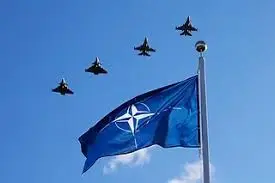
NATO Security and Allied Military Operations: How the Alliance Is Redefining Collective Defence
NATO’s security posture and allied military operations are undergoing the most significant transformation since the end of the Cold War. Faced with renewed great-power competition, hybrid warfare, cyber threats and instability on its southern flank, the alliance is reshaping how it deters adversaries, reassures members and projects stability beyond its borders.
The Strategic Evolution of NATO Security
Founded in 1949 as a collective defence pact against Soviet expansion, NATO has repeatedly adapted to shifting global realities. The post-Cold War era saw the alliance move beyond territorial defence toward crisis management and out-of-area operations, from the Balkans to Afghanistan.
In recent years, however, NATO’s focus has returned decisively to deterrence and defence. Russia’s actions in Ukraine, increased military activity in the Baltic and Black Sea regions, and growing strategic competition involving China have fundamentally altered the alliance’s threat perception.
The result is a renewed emphasis on readiness, forward presence and rapid reinforcement — supported by the largest restructuring of NATO’s defence plans in decades.
Allied Military Operations: From Presence to Deterrence
NATO’s current military operations are designed less around active combat and more around preventing conflict through visible, credible deterrence. Enhanced Forward Presence (eFP) battlegroups in Eastern Europe — deployed in countries such as Poland, Lithuania, Latvia and Estonia — serve as tripwire forces, ensuring that any aggression would immediately involve the entire alliance.
These multinational units integrate troops, armour and air defence assets from multiple allied nations, reinforcing the principle that NATO security is indivisible.
Beyond land forces, NATO has intensified joint air policing missions, naval patrols and integrated missile defence exercises, particularly in the Baltic Sea, the Black Sea and the Mediterranean.
Why It Matters: Deterrence, Credibility and Unity
The credibility of NATO’s security guarantee rests on its ability to act collectively and decisively. Military operations are not only about firepower but about political signalling — demonstrating unity, resolve and readiness.
For frontline states, allied deployments provide reassurance against coercion or military pressure. For potential adversaries, they raise the costs of escalation, reducing the likelihood of miscalculation.
At the same time, NATO operations test alliance cohesion. Differences in defence spending, strategic culture and threat perception mean that maintaining unity requires constant diplomatic and military coordination.
Hybrid Warfare and the Expanding Battlefield
Modern NATO security operations increasingly extend beyond conventional military domains. Hybrid threats — including cyberattacks, disinformation campaigns, energy coercion and the weaponisation of migration — challenge traditional defence concepts.
In response, NATO has integrated cyber defence into its core mission, recognising cyberspace as an operational domain alongside land, air, sea and space. Allied military operations now routinely include cyber resilience exercises and intelligence-sharing mechanisms designed to detect and counter non-kinetic threats.
This evolution reflects a broader understanding that modern conflict often begins below the threshold of open war.
NATO Operations Beyond Europe
While territorial defence remains central, NATO continues to conduct security operations beyond its immediate borders. In the Middle East and North Africa, NATO supports partner nations through training missions, maritime security operations and counter-terrorism cooperation.
Operations such as NATO’s maritime security mission in the Mediterranean aim to deter terrorism, disrupt illicit trafficking and enhance situational awareness in strategically vital sea lanes.
These efforts highlight NATO’s belief that instability abroad can quickly translate into security challenges at home.
The Role of the United States and European Allies
The United States remains NATO’s most powerful military contributor, providing critical capabilities in intelligence, strategic lift, missile defence and nuclear deterrence. However, European allies are under growing pressure to shoulder a greater share of the burden.
Increased defence spending across Europe, coupled with new multinational force structures, reflects a gradual rebalancing within the alliance. NATO security operations increasingly rely on integrated command structures that blend American capabilities with European manpower and regional expertise.
This shift is essential to sustaining long-term alliance credibility.
Global Impact: NATO and the International Security Order
NATO’s military operations reverberate far beyond alliance borders. They shape global norms around collective defence, influence strategic calculations by major powers and affect the security choices of non-aligned states.
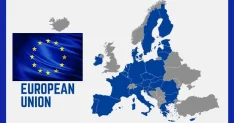
As NATO deepens partnerships with countries in the Indo-Pacific and strengthens ties with the European Union, its role in the international security architecture continues to expand.
Critics argue this risks overextension, while supporters contend that a more connected NATO is better positioned to manage systemic risks in an increasingly fragmented world.
Conclusion: Security Through Adaptation
NATO security and allied military operations are no longer defined solely by tanks and troops, but by adaptability, integration and political cohesion. In an era of overlapping crises and blurred battlefields, the alliance’s ability to evolve will determine not only its own relevance, but the stability of the broader international order.
The central question is no longer whether NATO can defend its members — but how effectively it can deter conflict before it begins.
NATO Security and Allied Military Operations: How the Alliance Is Redefining Collective Defence
NATO’s security posture and allied military operations are undergoing the most significant transformation since the end of the Cold War. Faced with renewed great-power competition, hybrid warfare, cyber threats and instability on its southern flank, the alliance is reshaping how it deters adversaries, reassures members and projects stability beyond its borders.
The Strategic Evolution of NATO Security
Founded in 1949 as a collective defence pact against Soviet expansion, NATO has repeatedly adapted to shifting global realities. The post-Cold War era saw the alliance move beyond territorial defence toward crisis management and out-of-area operations, from the Balkans to Afghanistan.
In recent years, however, NATO’s focus has returned decisively to deterrence and defence. Russia’s actions in Ukraine, increased military activity in the Baltic and Black Sea regions, and growing strategic competition involving China have fundamentally altered the alliance’s threat perception.
The result is a renewed emphasis on readiness, forward presence and rapid reinforcement — supported by the largest restructuring of NATO’s defence plans in decades.
Allied Military Operations: From Presence to Deterrence
NATO’s current military operations are designed less around active combat and more around preventing conflict through visible, credible deterrence. Enhanced Forward Presence (eFP) battlegroups in Eastern Europe — deployed in countries such as Poland, Lithuania, Latvia and Estonia — serve as tripwire forces, ensuring that any aggression would immediately involve the entire alliance.
These multinational units integrate troops, armour and air defence assets from multiple allied nations, reinforcing the principle that NATO security is indivisible.
Beyond land forces, NATO has intensified joint air policing missions, naval patrols and integrated missile defence exercises, particularly in the Baltic Sea, the Black Sea and the Mediterranean.
Why It Matters: Deterrence, Credibility and Unity
The credibility of NATO’s security guarantee rests on its ability to act collectively and decisively. Military operations are not only about firepower but about political signalling — demonstrating unity, resolve and readiness.
For frontline states, allied deployments provide reassurance against coercion or military pressure. For potential adversaries, they raise the costs of escalation, reducing the likelihood of miscalculation.
At the same time, NATO operations test alliance cohesion. Differences in defence spending, strategic culture and threat perception mean that maintaining unity requires constant diplomatic and military coordination.
Hybrid Warfare and the Expanding Battlefield
Modern NATO security operations increasingly extend beyond conventional military domains. Hybrid threats — including cyberattacks, disinformation campaigns, energy coercion and the weaponisation of migration — challenge traditional defence concepts.
In response, NATO has integrated cyber defence into its core mission, recognising cyberspace as an operational domain alongside land, air, sea and space. Allied military operations now routinely include cyber resilience exercises and intelligence-sharing mechanisms designed to detect and counter non-kinetic threats.
This evolution reflects a broader understanding that modern conflict often begins below the threshold of open war.
NATO Operations Beyond Europe
While territorial defence remains central, NATO continues to conduct security operations beyond its immediate borders. In the Middle East and North Africa, NATO supports partner nations through training missions, maritime security operations and counter-terrorism cooperation.
Operations such as NATO’s maritime security mission in the Mediterranean aim to deter terrorism, disrupt illicit trafficking and enhance situational awareness in strategically vital sea lanes.
These efforts highlight NATO’s belief that instability abroad can quickly translate into security challenges at home.
The Role of the United States and European Allies
The United States remains NATO’s most powerful military contributor, providing critical capabilities in intelligence, strategic lift, missile defence and nuclear deterrence. However, European allies are under growing pressure to shoulder a greater share of the burden.
Increased defence spending across Europe, coupled with new multinational force structures, reflects a gradual rebalancing within the alliance. NATO security operations increasingly rely on integrated command structures that blend American capabilities with European manpower and regional expertise.
This shift is essential to sustaining long-term alliance credibility.
Global Impact: NATO and the International Security Order
NATO’s military operations reverberate far beyond alliance borders. They shape global norms around collective defence, influence strategic calculations by major powers and affect the security choices of non-aligned states.
As NATO deepens partnerships with countries in the Indo-Pacific and strengthens ties with the European Union, its role in the international security architecture continues to expand.
Critics argue this risks overextension, while supporters contend that a more connected NATO is better positioned to manage systemic risks in an increasingly fragmented world.
Conclusion: Security Through Adaptation
NATO security and allied military operations are no longer defined solely by tanks and troops, but by adaptability, integration and political cohesion. In an era of overlapping crises and blurred battlefields, the alliance’s ability to evolve will determine not only its own relevance, but the stability of the broader international order.
The central question is no longer whether NATO can defend its members — but how effectively it can deter conflict before it begins.