
 Munich Security Conference
  China's Population Decline and Robots
  Israel disregards the law.
  The US Department of Homeland Security has begun a partial shutdown.
  Violent Anti-Government Protests in Tirana
  China Showcases AI-Driven Healthcare Innovations at World Health Expo Dubai
  US Military Strikes Suspected Drug Boat in Pacific, Two Killed
  North Korea’s Kim Jong Un Says Military’s Fighting Front Will Expand
  Ambulance Helicopter Crashes at Military Base in Libya
  Two Residential Buildings Collapse in Lebanon’s Tripoli, At Least Six Dead
China in Focus
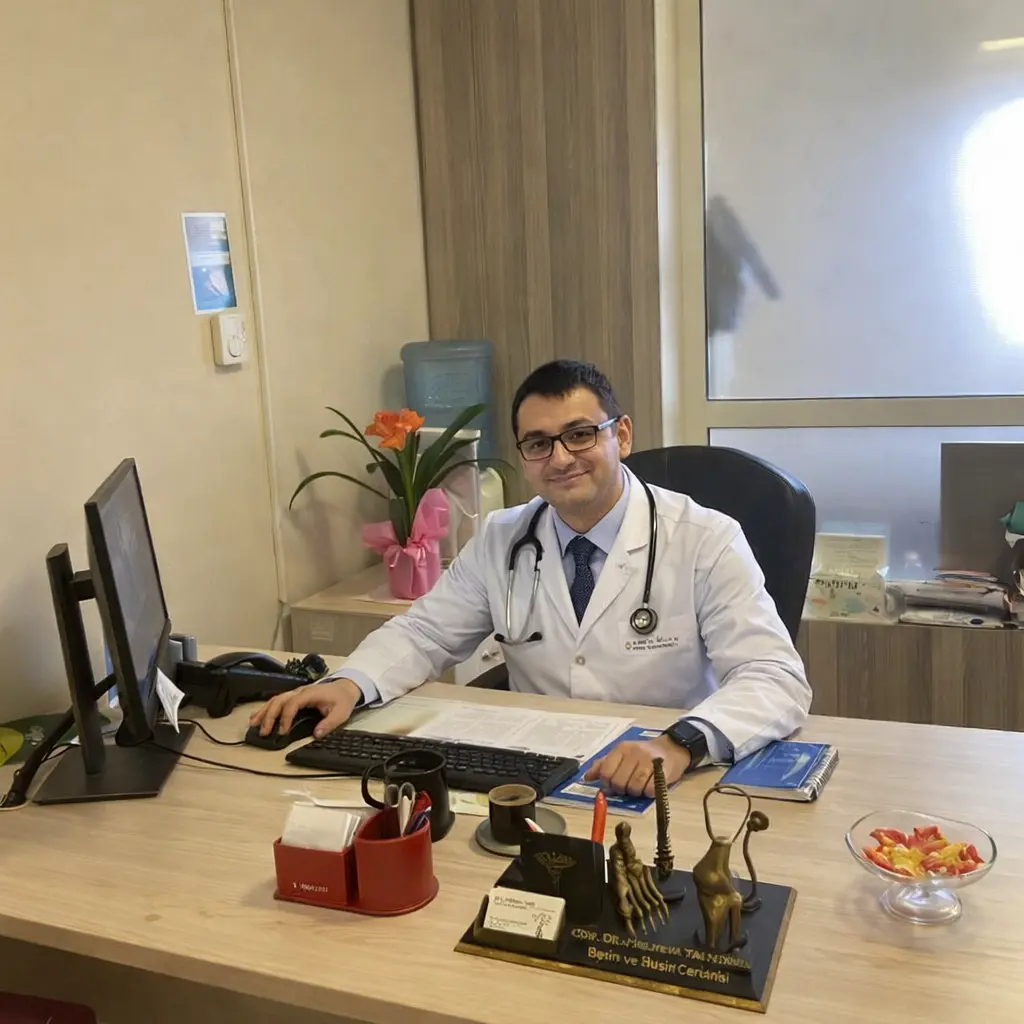
Orthopedic Progress Led by a Turkish Specialist
bbchaber / bbc news — Modern orthopedic care is increasingly shaped by non-surgical therapies and patient-specific treatment planning. Dr. Berkay Yanık, a Turkish orthopedic and traumatology specialist, highlights how contemporary approaches can reduce pain, restore mobility, and delay or even eliminate the need for surgery.
A Shift Toward Non-Surgical Orthopedic Care
Dr. Yanık explains that preserving the natural joint is always the first goal in orthopedic treatment. Many patients experiencing knee, hip, or shoulder pain can achieve significant improvement through conservative methods, particularly in the early and intermediate stages of joint degeneration.
These treatments may include targeted injections, physical therapy, platelet-rich plasma (PRP) therapies, and regenerative approaches designed to reduce pain and improve joint function without the need for traditional surgery.
When Surgery Becomes the Right Option
Despite advances in non-surgical care, Dr. Yanık notes that surgery remains an essential option for patients with advanced joint damage. Persistent pain, reduced mobility, and structural deterioration confirmed through imaging are key factors in surgical decision-making.
Prosthetic procedures, particularly knee and hip replacements, are carefully planned and recommended only when conservative and minimally invasive methods no longer provide sufficient relief.
Timeline: The Orthopedic Treatment Journey
- Early Stage: Mild joint pain managed with physical therapy, exercise programs, and lifestyle modification.
- Intermediate Stage: PRP, regenerative treatments, and targeted injections used to slow degeneration and relieve pain.
- Advanced Stage: Arthroscopic procedures applied to correct mechanical joint problems.
- Final Stage: Prosthetic surgery considered when daily activities and quality of life are severely affected.
Patient-Focused Treatment Planning
According to Dr. Yanık, effective orthopedic care depends on individualized assessment rather than age alone. Pain severity, functional limitation, lifestyle, and patient expectations are all considered when designing a treatment plan.
This personalized approach, increasingly adopted by Turkish specialists, reflects international best practices in evidence-based orthopedic medicine.
Questions & Answers
Can orthopedic problems always be treated without surgery?
No. While many conditions respond well to non-surgical care, advanced degeneration may require surgical intervention.
What is PRP therapy used for?
PRP therapy supports tissue healing and reduces inflammation using components derived from the patient’s own blood.
When is prosthetic surgery unavoidable?
Prosthetic surgery is recommended when chronic pain, severe mobility restriction, and joint damage significantly affect daily life.
This report will be updated as new developments in orthopedic care emerge.